
Meal Recovery Coalition
AN INNOVATIVE Food System for New Jersey
WHAT IS MEAL RECOVERY?
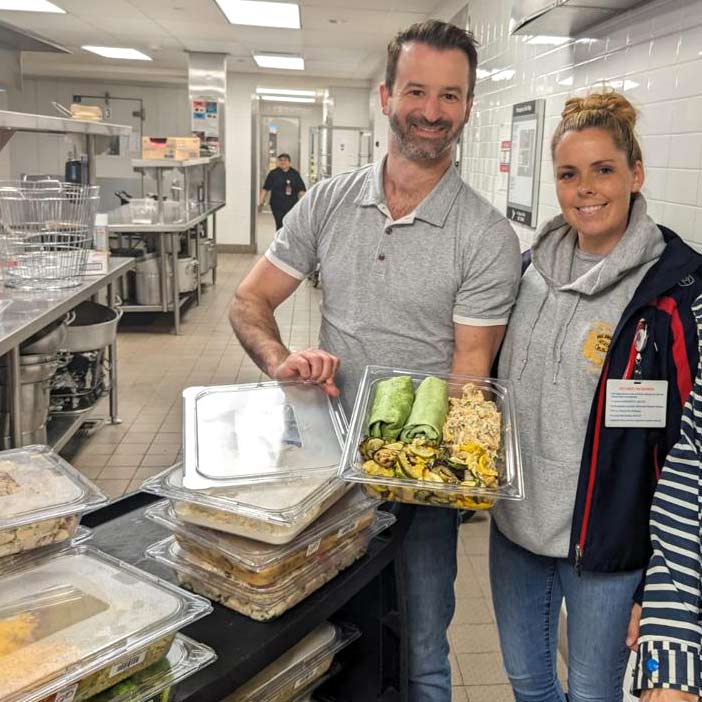
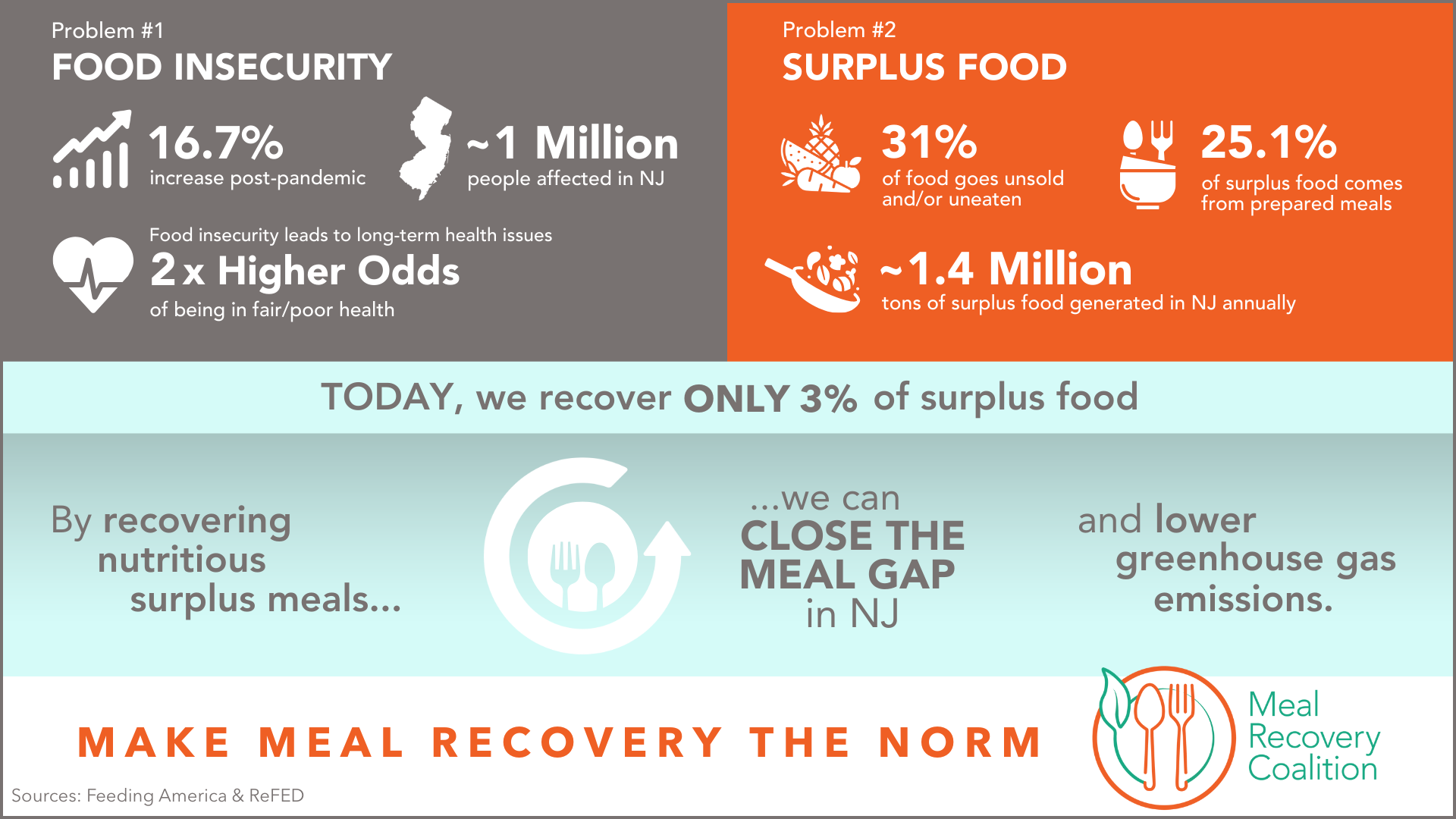
Meal recovery is an innovative approach to addressing the significant issues of food insecurity and food waste.
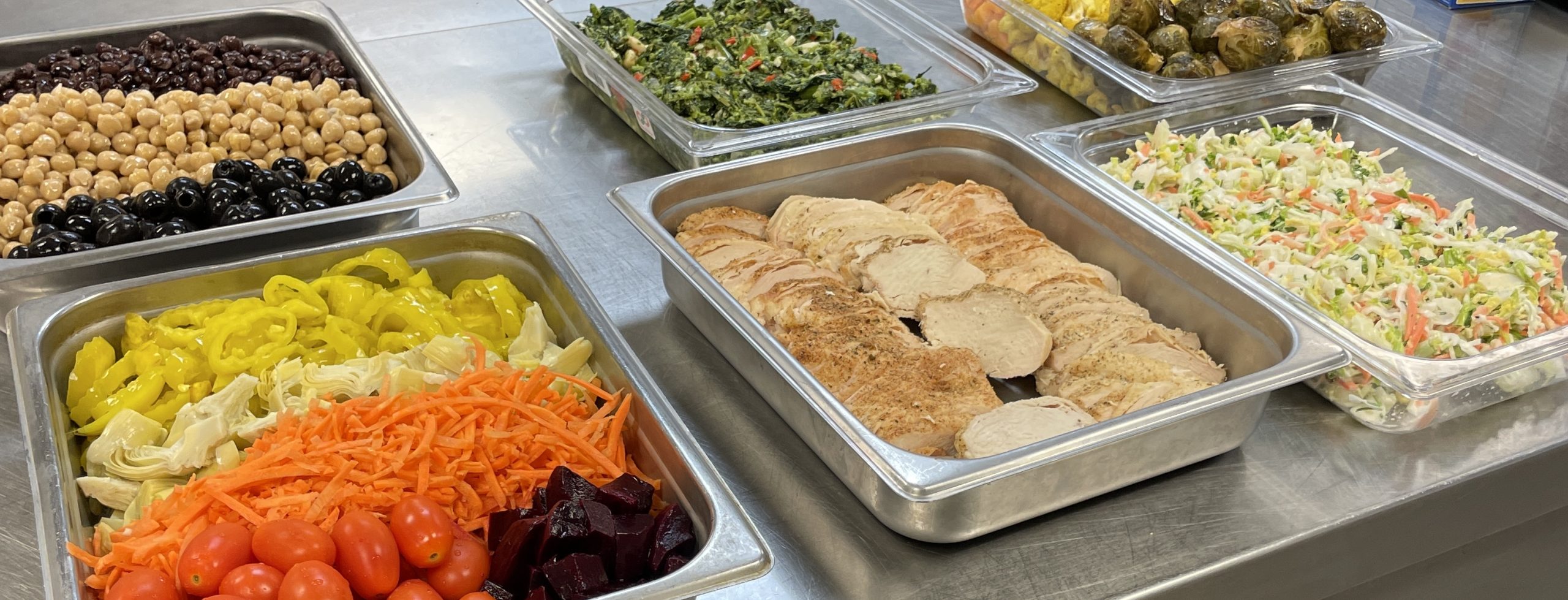
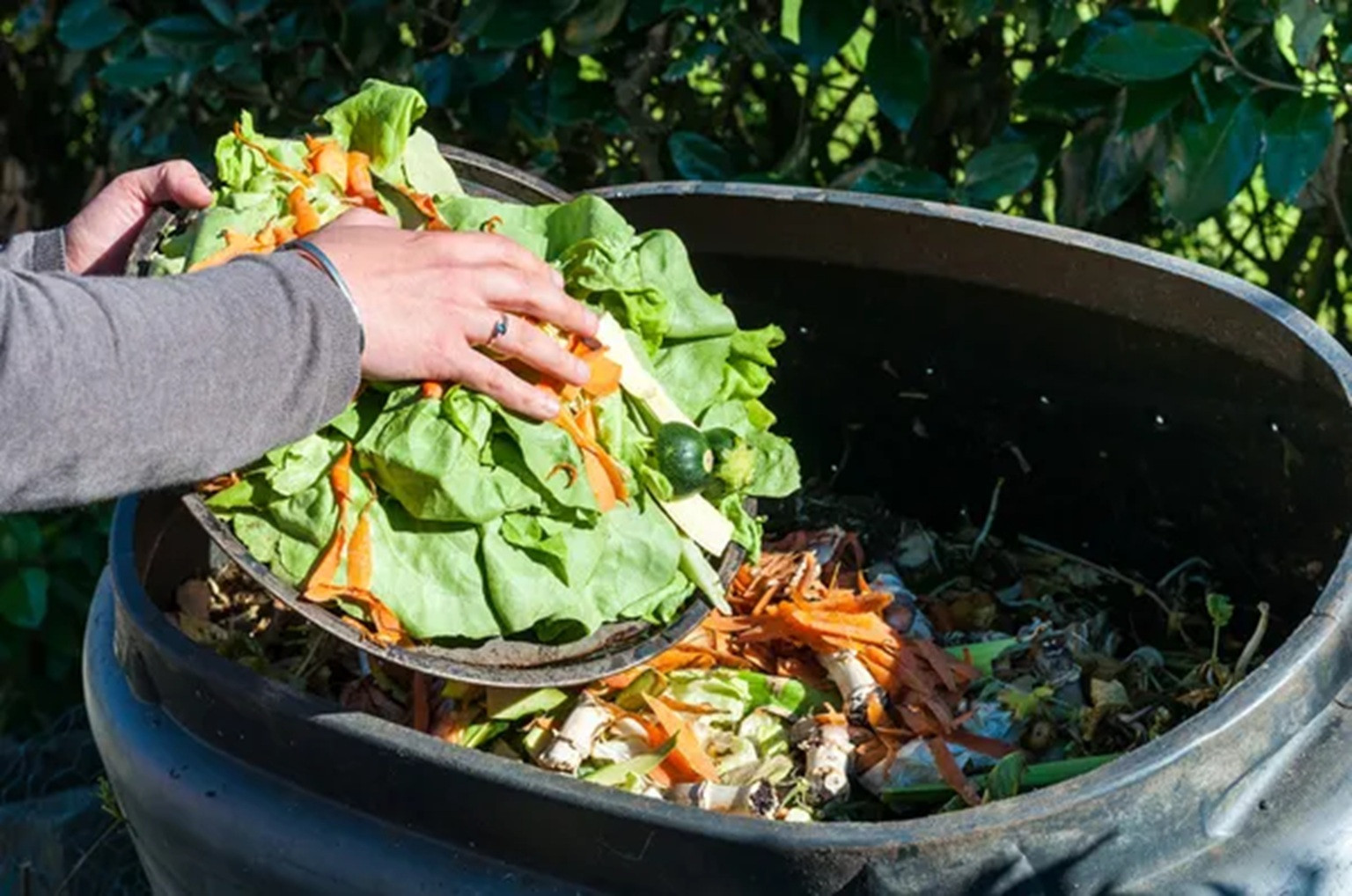
Everyday, thousands of healthy meals prepared in corporate and other large cafeterias and food service programs are uneaten and sent to landfills, where they generate greenhouse gases and impact the environment.
Meal recovery programs collect the surplus meals from cafeterias and food service providers and deliver them directly to local families in need at their homes or through a network of community partners.
Meal recovery complements the efforts of traditional food resources such as food pantries and community kitchens, and substantially increases the amount and types of healthy food available to those who are hungry in our communities.
A recovered meal is more than food on a plate. In addition to feeding more people, learn how meal recovery helps ease the costs of food insecurity, strengthens community nonprofits and keeps good food from going to landfills. Read The Value of a Meal paper.

Introducing THE MEAL RECOVERY COALITION
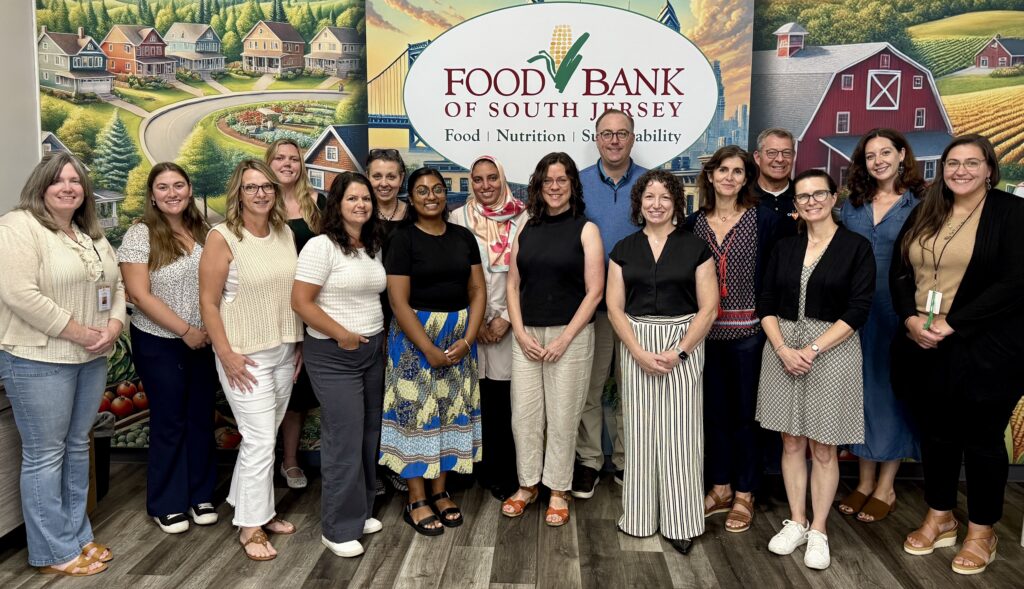
The Meal Recovery Coalition (MRC) is a unique statewide partnership founded and led by Share My Meals that brings together cross-sector leaders with a shared goal: making meal recovery the norm in New Jersey. By strengthening infrastructure, aligning on standards, and advancing policy, the MRC is working to make sure every surplus meal reaches someone in need.
The MRC’s Goals are to:
- Improve capabilities for meal recovery. Enable meal recovery programs to thrive through clear guidelines, training, and the development of sustainable funding sources.
- Raise visibility of meal recovery. Communicate on the topics of food waste and food insecurity, as well as on meal recovery as a solution to complement existing food emergency systems. Growing the MRC will mean raising awareness on both topics and the Coalition itself.
- Reach more people experiencing food insecurity. Build networks of mutual support with public and private sector stakeholders in New Jersey will allow for a deeper impact.
- Create a scalable model. The MRC is building a replicable, cross-sector model to reimagine food recovery and promote implementation across the state and beyond.
IMPACT & Ambitious GOALS
The Meal Recovery Coalition estimates that 5 million prepared meals from large cafeterias and event venues are sent to landfills in New Jersey each year.
In 2025, New Jersey food rescue organizations including Share My Meals, Table to Table and Food Recovery.org collectively recovered 1 million prepared meals. The ambition for 2026 is to reach 1.5 million meals recovered statewide.
Ultimately, the MRC strives to recover all 5 million surplus prepared meals annually, creating a reliable additional food stream that complements existing emergency food efforts.
Making meal recovery the norm in New Jersey will significantly expand the food resources available to address food insecurity while reducing unnecessary waste.

NEW JERSEY FOOD DONATION GUIDELINES
The New Jersey Food Donation Guidelines are the MRC’s flagship initiative to make food donation safer, easier, and more widely practiced across New Jersey. Developed with input from public health experts, nonprofit leaders, and food service professionals, these guidelines provide clear, practical steps for safely recovering surplus meals and ensuring they reach neighbors in need.
The work group includes representatives from the New Jersey Department of Health, New Jersey Department of Environmental Protection, Rutgers University, Harvard Law School Food Law and Policy Clinic, Share My Meals, Food Bank of South Jersey, Community FoodBank of New Jersey, Table to Table, Trenton Area Soup Kitchen (TASK), Sodexo, Compass Group, Flik Hospitality Group, Dartcor Food Services, Root Nine Baking Co., MEND, and others.
New Jersey Residents face hunger daily
The Meal Recovery Coalition
MEMBERS AND PARTNERS
Meal recovery is complex. It requires food donors, volunteers, recipients, and nonprofits to all work together daily to cooperate and make this supply chain operate. The MRC is bringing together a broad coalition of stakeholders, including public and private entities, to take meal recovery statewide and make significant progress in addressing food insecurity in New Jersey.
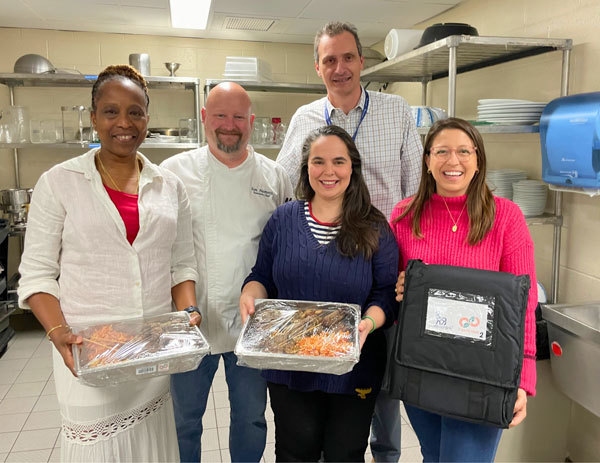
Meal Recovery Coalition Members
These MRC members are investing in the New Jersey communities where they operate, supporting their neighbors and reducing their environmental footprint.

Partners and Sponsors
These partners share our vision of a resilient, sustainable food ecosystem in New Jersey and play a key role in making meal recovery the norm.
Public Sector
Policymakers, government officials, and regulatory agencies focused on addressing food insecurity and positively impacting on the environment are working to make meal recovery the norm. The New Jersey Economic Development Authority has been a founding sponsor of the Meal Recovery Coalition as an innovative, cost effective, and environmentally friendly approach to combating food insecurity.
Get Involved
Members
Members are the core supporters and decision-makers of the Meal Recovery Coalition. Through annual funding and active participation, members help shape Coalition priorities, vote on projects and budgets, participate in committees, and amplify this work across sectors. Membership offers a meaningful opportunity to help drive systems-level impact while engaging with a growing network of leaders advancing meal recovery.
Partners
Partners are aligned organizations that contribute expertise, insight, and collaboration to specific Coalition initiatives and working groups. From helping develop guidelines and resources to advising on key projects, partners play an important role in strengthening the broader meal recovery ecosystem through shared knowledge and collaboration.
Sponsors
Sponsors provide financial support that helps sustain and grow the Coalition’s work. In recognition of their support, sponsors are acknowledged in Coalition events, presentations, and communications, demonstrating their commitment to reducing food waste and supporting community resilience through collaborative action.
MEDIA
Op-Ed: New Jersey is helping reimagine food waste. Others can build from here
BINJE – June 30, 2026
Global Life Sciences Company Bayer Joins the Meal Recovery Coalition
Patch Online – February 16, 2026
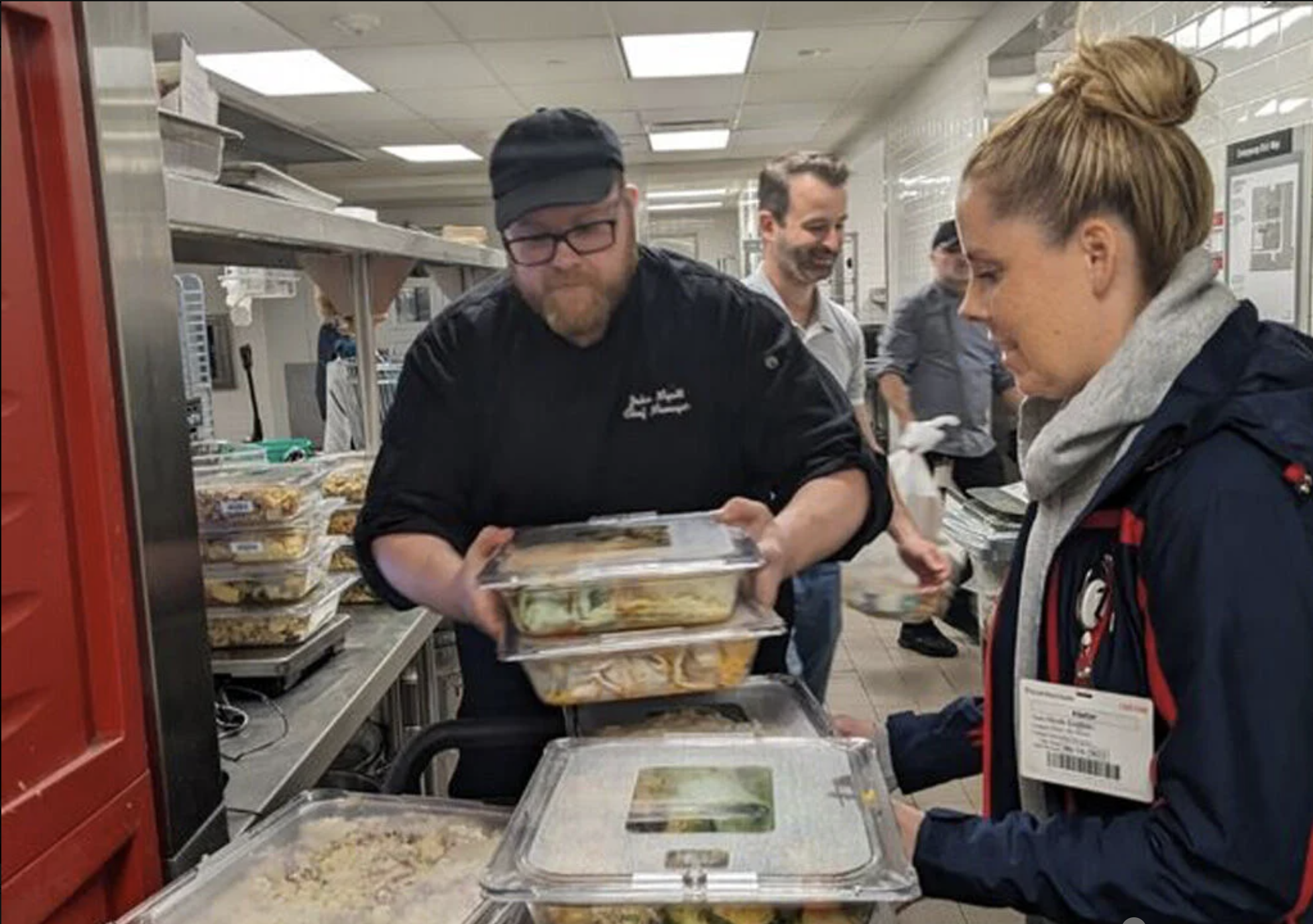
MRC Partner, Share My Meals, Reached a Milestone 500,000 Recovered Meals
Community News – February 10, 2026

Meal Recovery Coalition Co-Chair, Hélène Lanctuit, Interviewed by Real Woman Online
Real Woman Magazine – Winter 2026 Issue
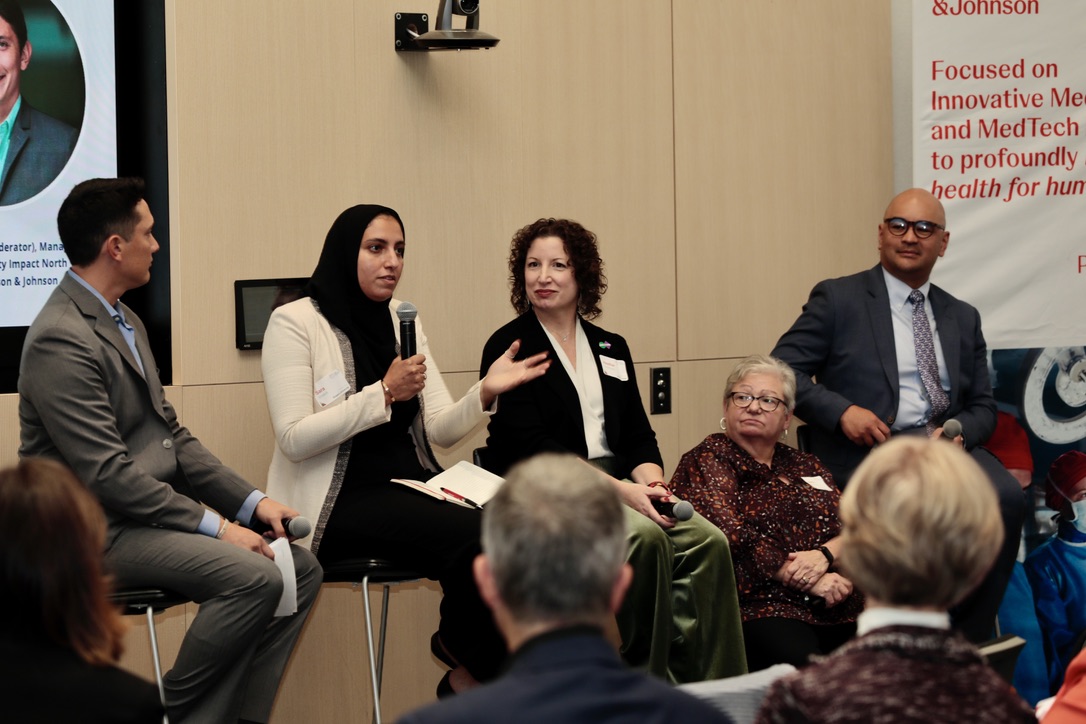
New Jersey Launches Food Donation Guidelines To Combat Waste
WRAT – January 9, 2026

Rutgers Leads Drafting of New Food Donation Guidelines to Reduce Waste
Morning AG Clips – January 8, 2026
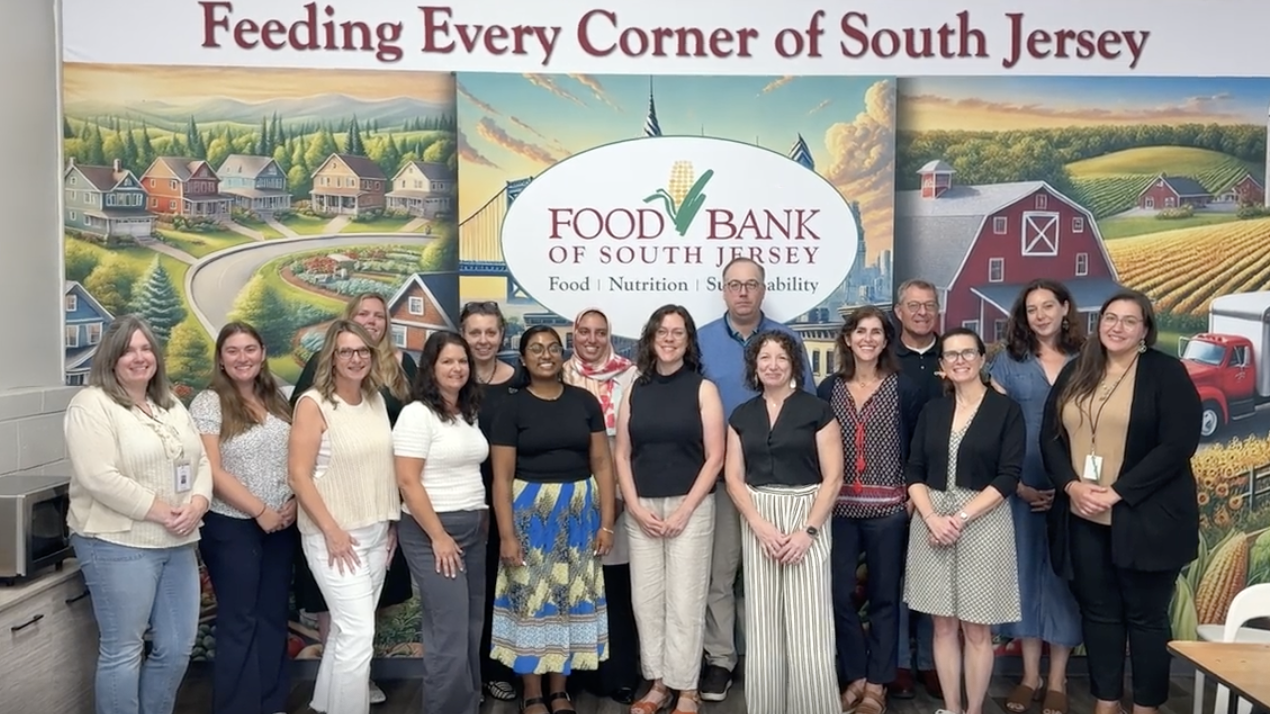
Reflecting on a Transformative Year for the Meal Recovery Coalition
LinkedIn – December 29, 2025
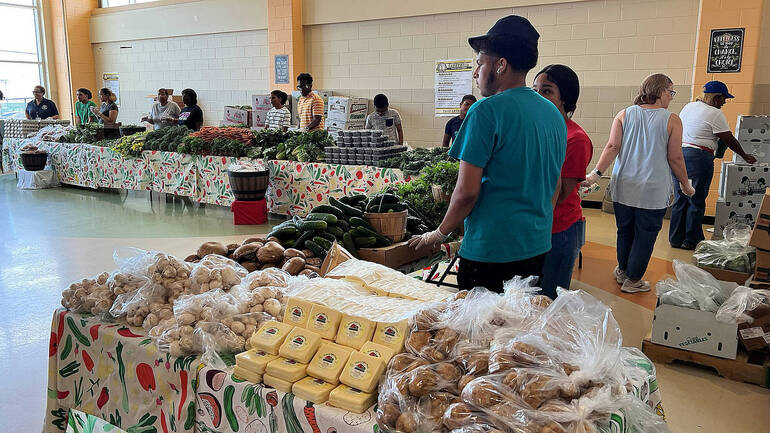
New Brunswick Food Nonprofits Awarded Millions in State Grants for ‘Food Deserts’
Tap Into New Brunswick – December 26, 2025
NJEDA board approves second round of FEED NJ Grants, providing $9.3M to 23 groups
ROI-NJ.com – November 19, 2025
NJEDA Board Approves over $20M in Grants to 50 Organizations to Strengthen Food Security in NJ’S Top Food Desert Communities
NJDEA.gov – November 14, 2025

Meal Recovery Coalition Advances Statewide Guidelines for Safe Food Donation in New Jersey
LinkedIn – October 29, 2025
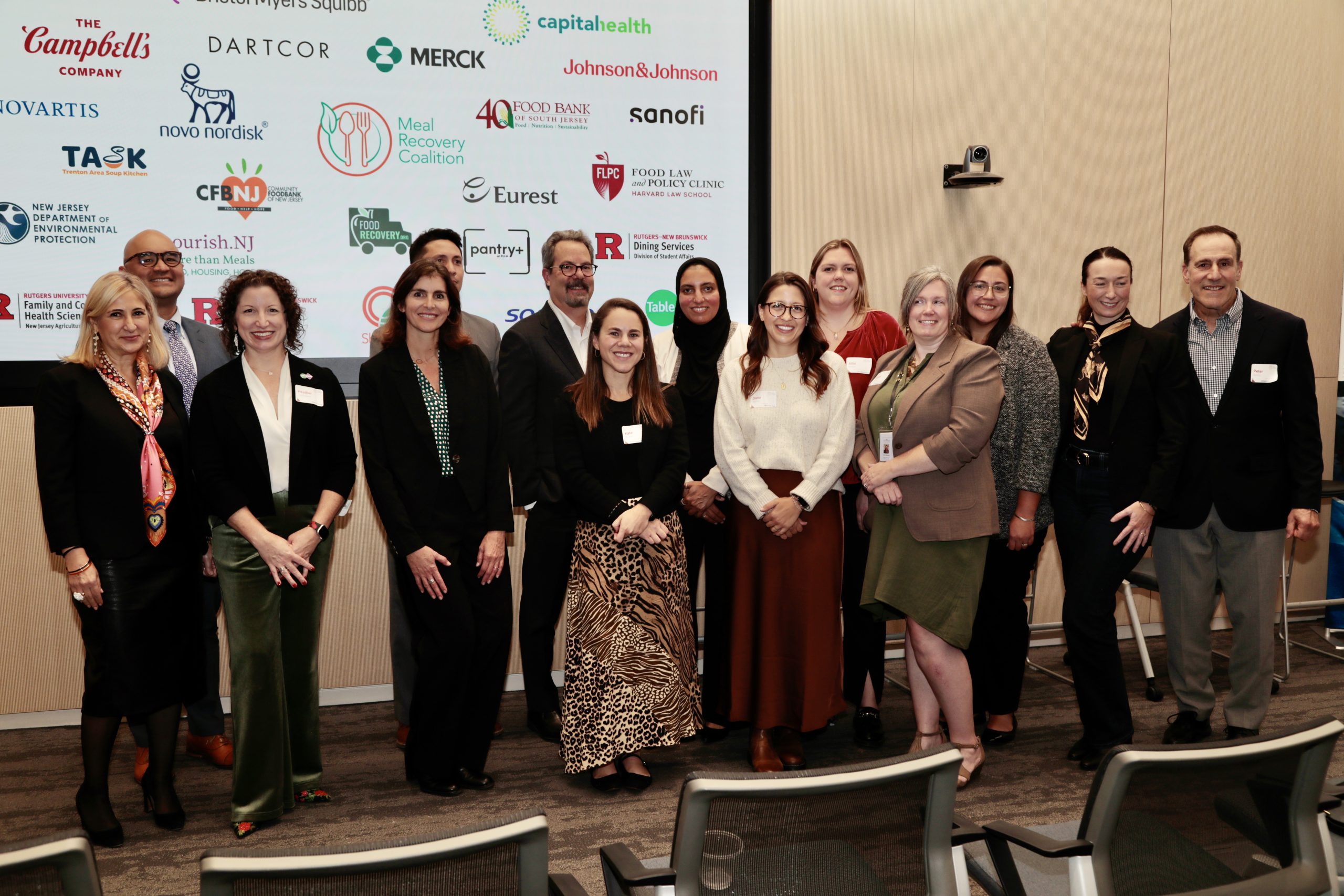
MRC Commemorates One-Year Anniversary – Johnson & Johnson hosts the event with state and industry leaders
Commerce Magazine NJ – October 23, 2025
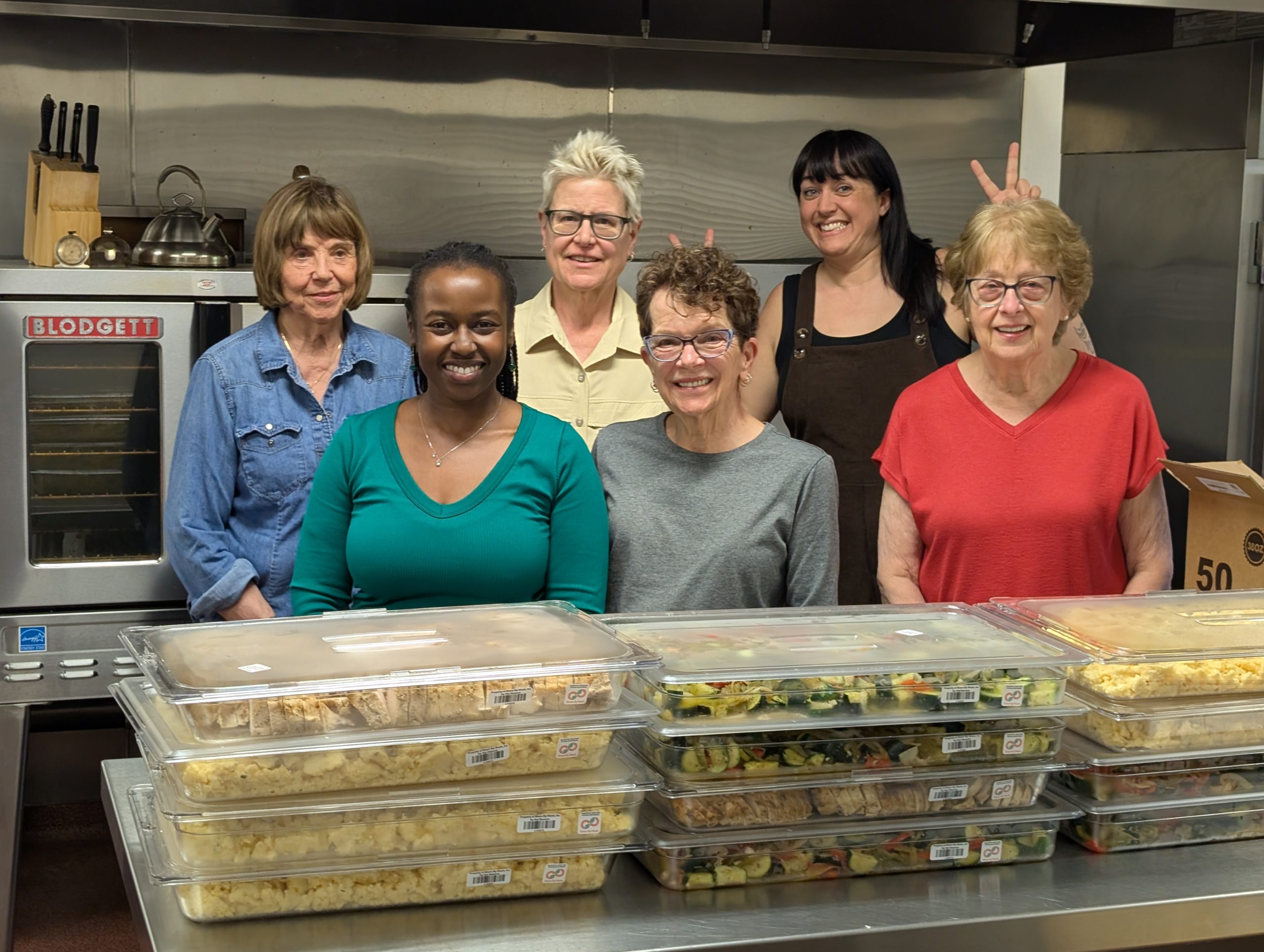
Share My Meals Marks Anniversary of Statewide Meal Recovery Coalition
Town Topics – October 8, 2025
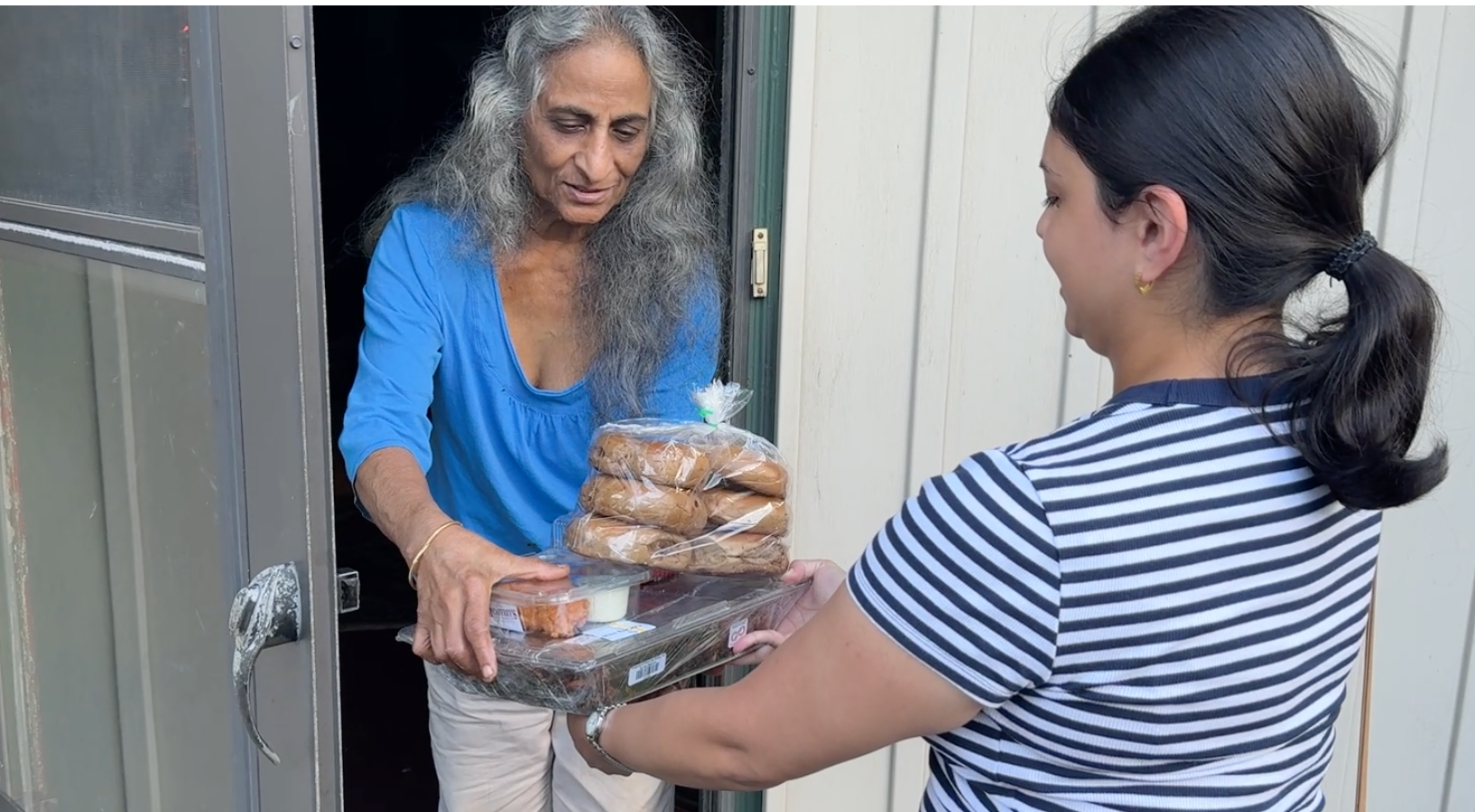
Hunger Action Month: Turning Surplus into Solutions
LinkedIn – September 24, 2025
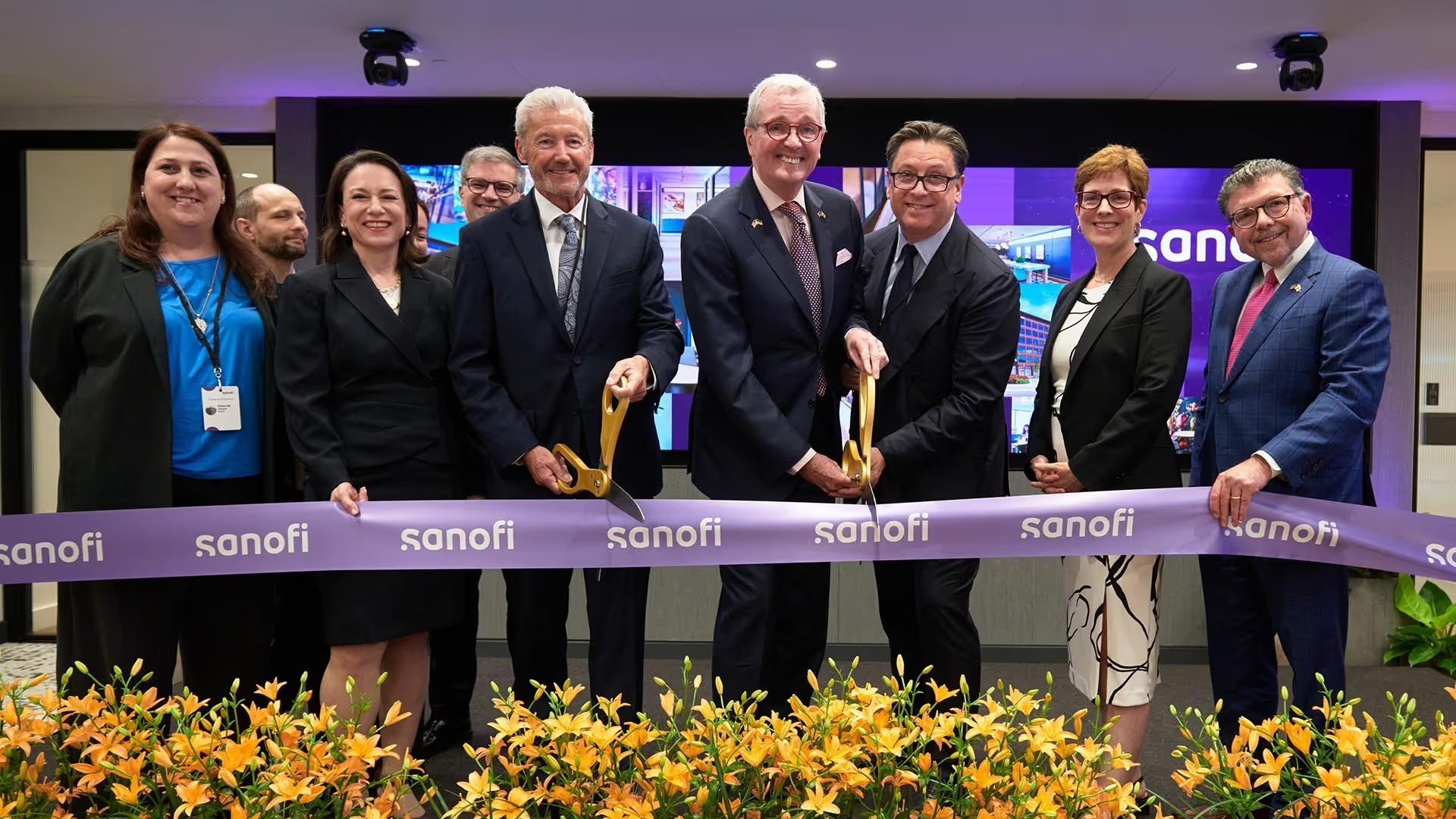
Major Drugmaker Makes Morristown Corporate Home
SiteSelection – August 24, 2025
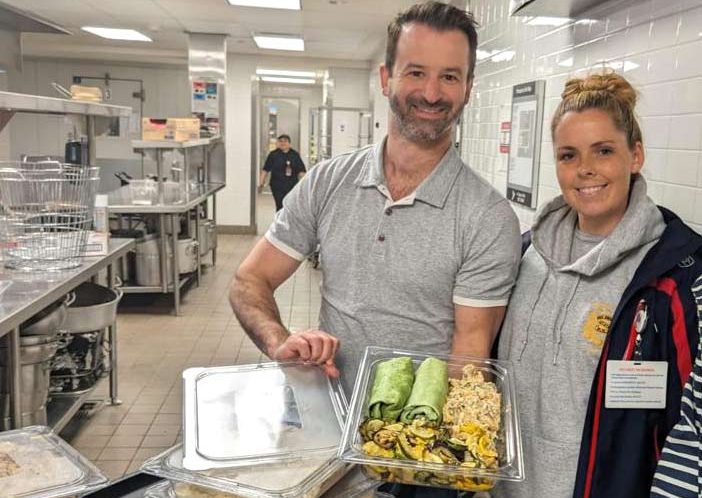
Can’t Afford to Waste Another Meal
BINJE – May 20, 2025
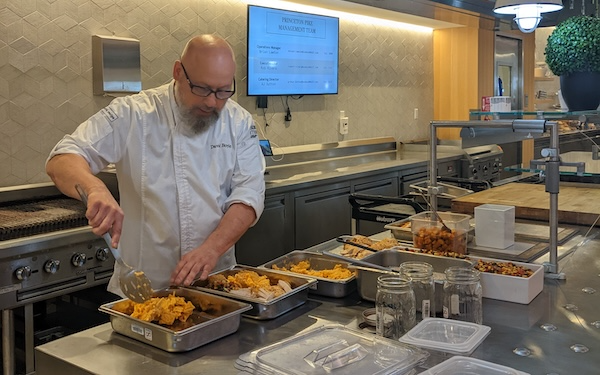
Princeton’s Role in a Growing Movement: Turning Food Waste into Food Security
Town Topics – May 7, 2025
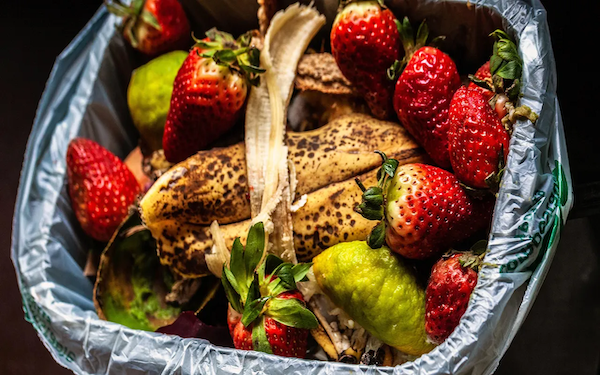
Advancing Edible Food Recovery: Model Programs and Case Studies
Waste 360 – April 21, 2025
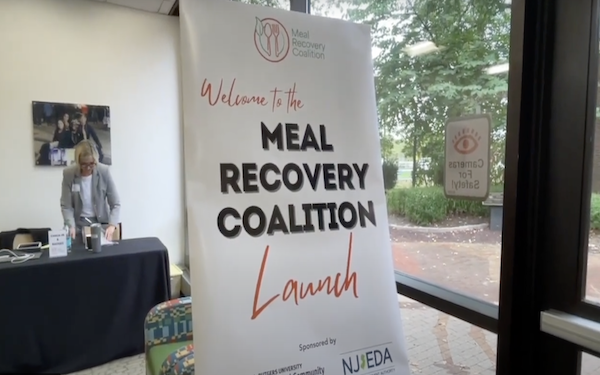
NJ Meal Recovery Coalition
WMBC-TV News Video – September 19, 2024
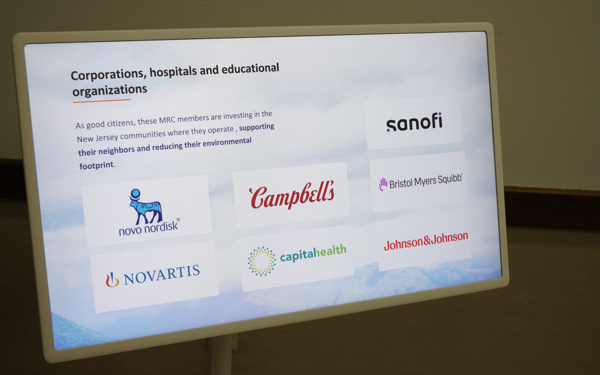
Your mother isn’t the only one who doesn’t want you to throw away food
NJ.com – September 22, 2024

Coalition’s Goal: Recover, Redistribute 500K Meals to New Jersey’s Hungry
TAPintoNew Brunswick – September 18, 2024

Innovative New Jersey Initiative Addresses Food Insecurity and Food Waste
September 18, 2024

Funding From NJEDA Allows Share My Meals to Expand its Reach
Town Topics Magazine – July 31, 2024
Share My Meals awarded $125K from EDA to expand program combating food insecurity
ROI:NJ – July 24, 2024